D.W.I Chaos
Digital prints
2013
Different Ways to Infinity
Focusing on the limits between scientific modelization and reality, theory and perception, the installation plays with different meanings of the endlessness. D.W.I gathers experiments as fictional strategies to generate infinity: The complexity of chaos, the space filling capacity of the rhombic dodecahedron, the replication of motorized mechanical systems as clones, or a machine’s effort to raise a pendulum against gravity. “The ancient alliance has been destroyed; man knows at last that he is alone in the universe’s indifferent immensity out of which he emerged only by chance” (Jacques Monod).
D.W.I Chaos
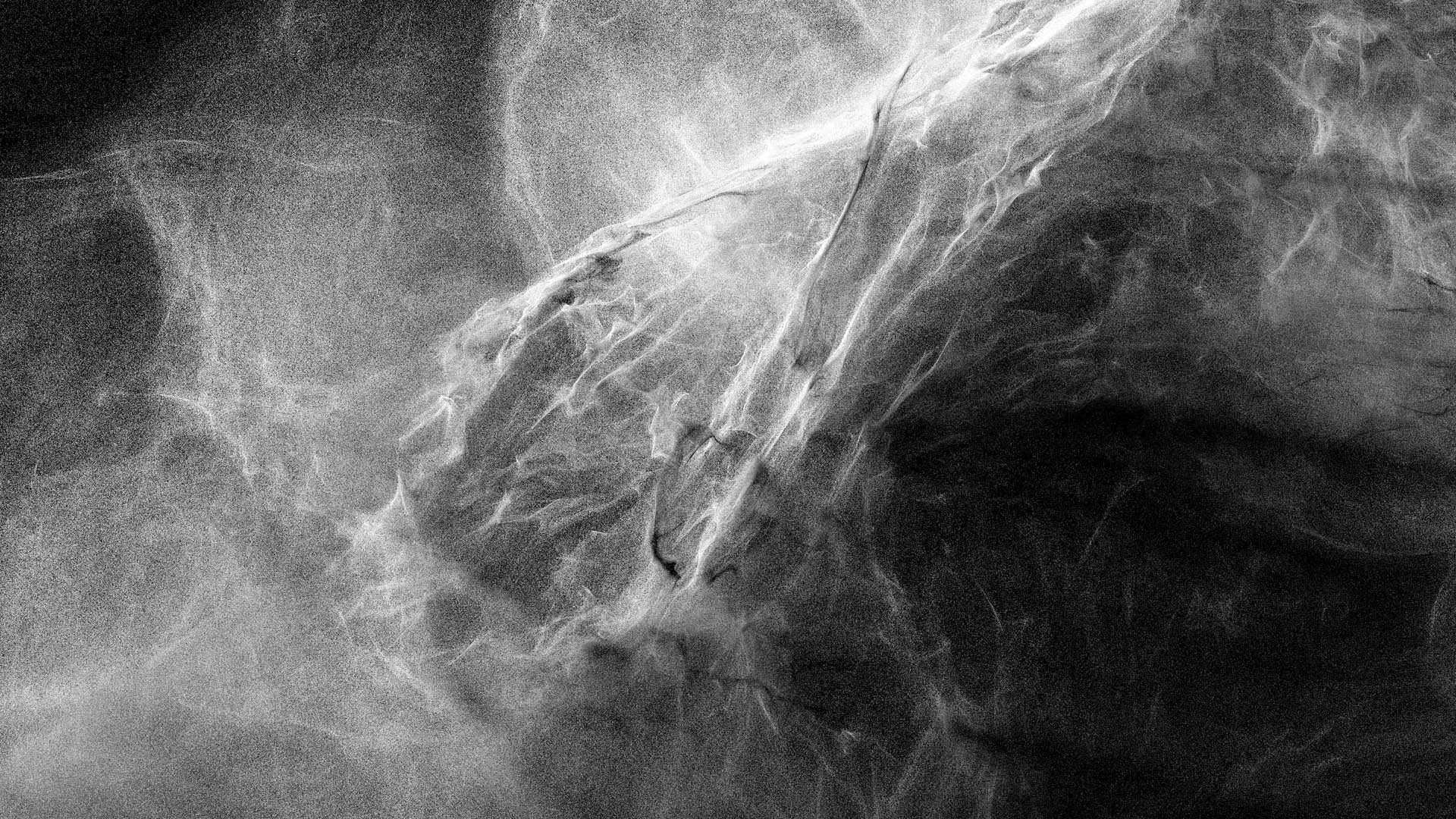
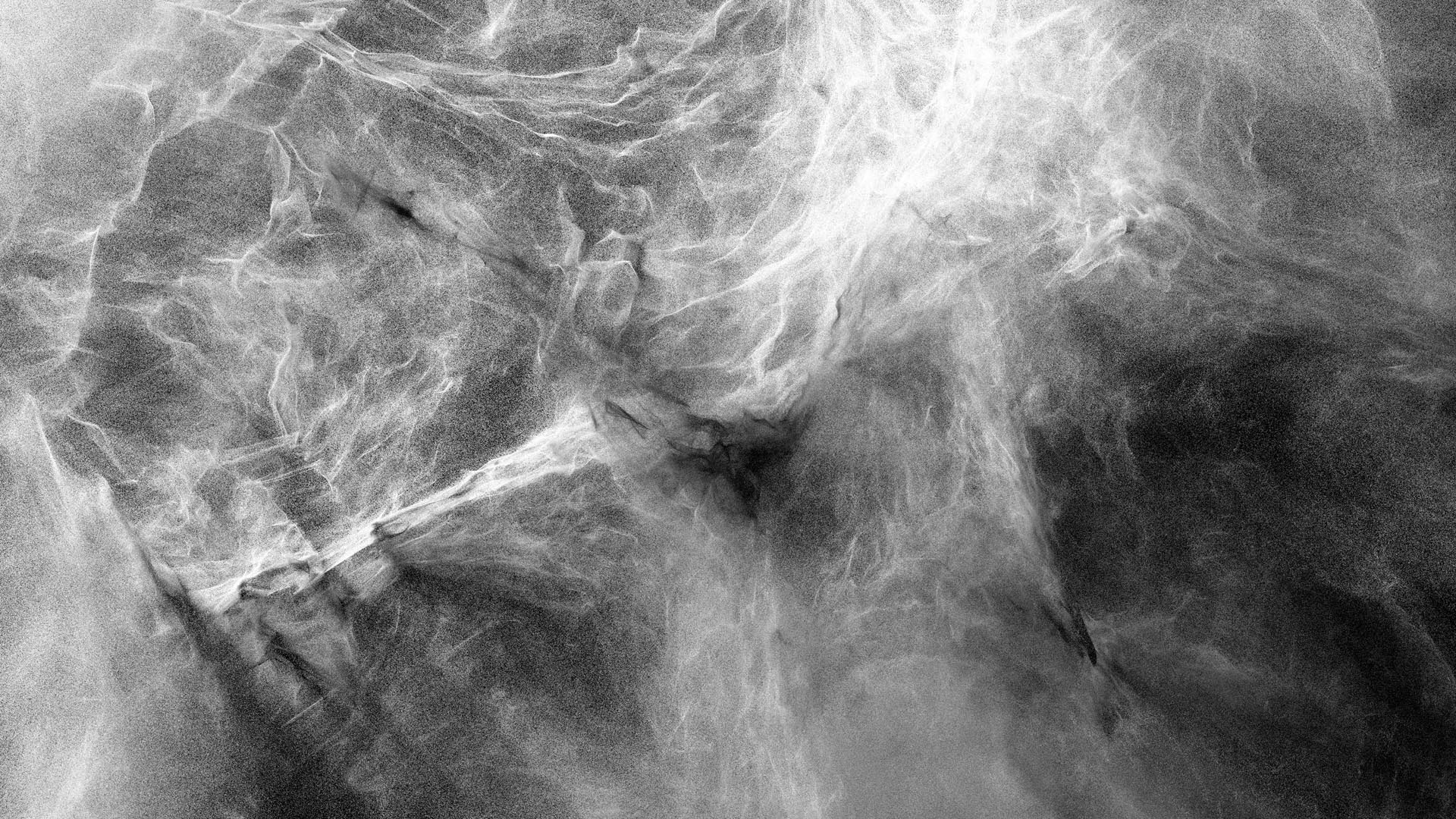
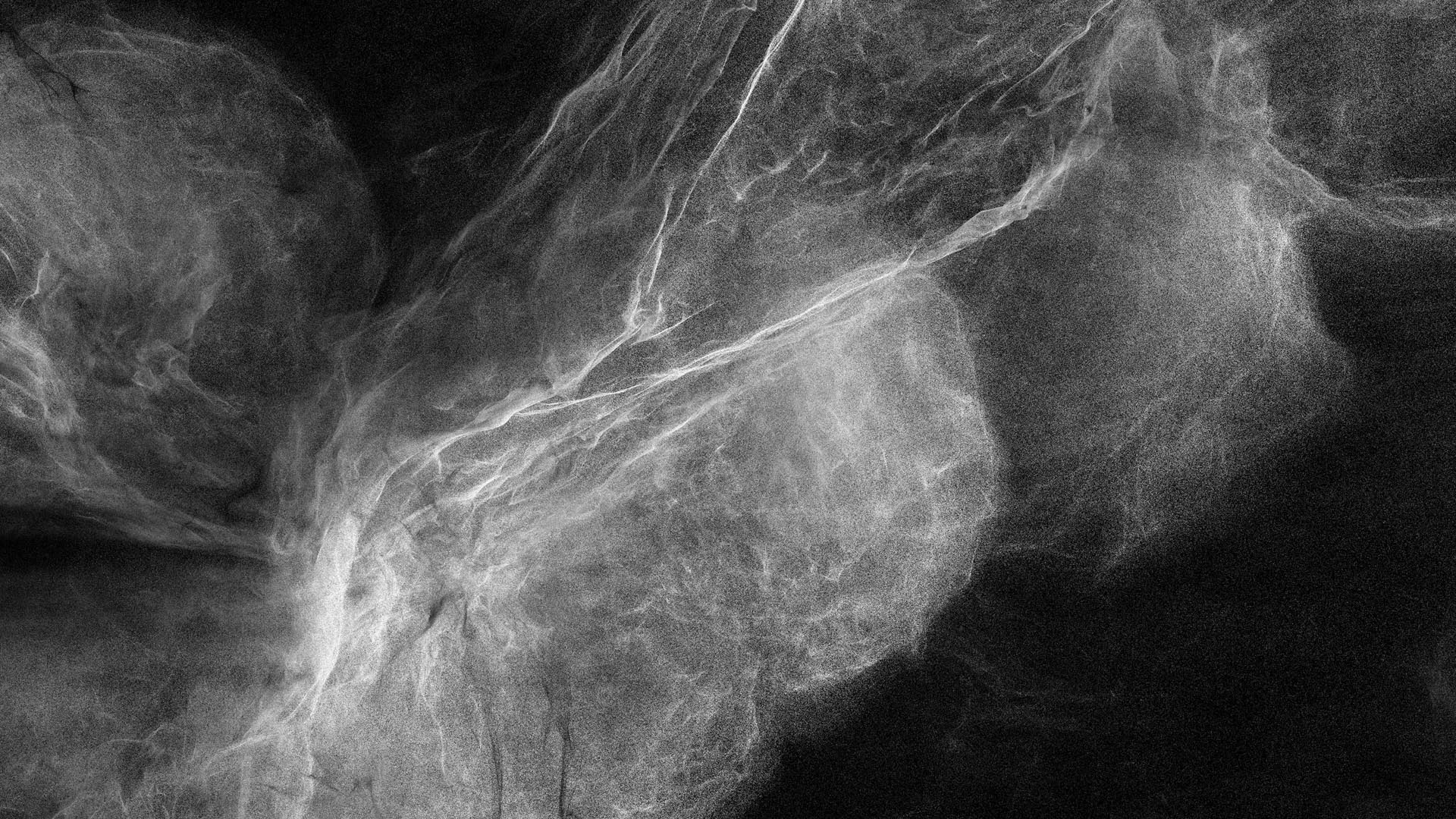
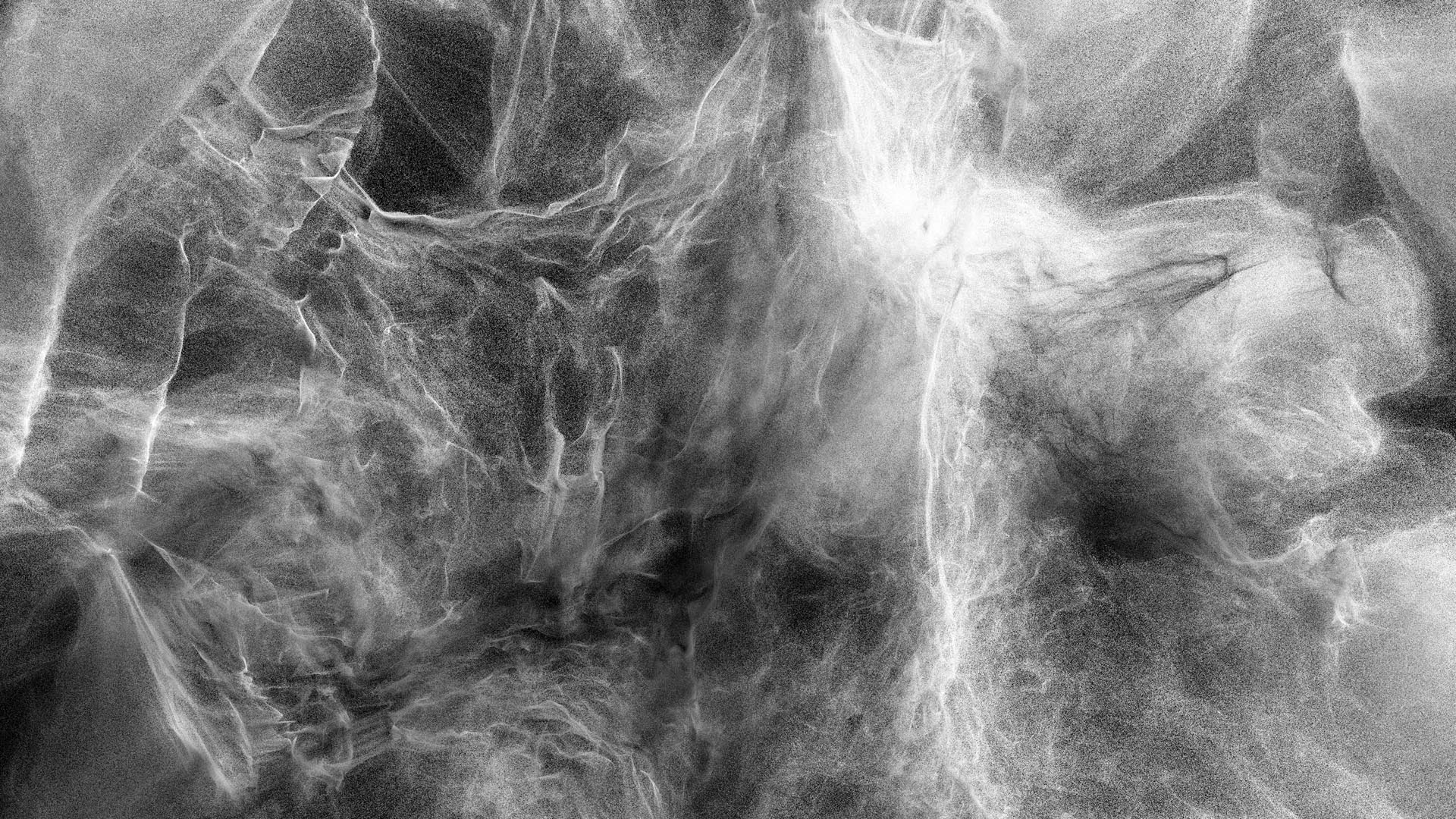
The 3d prints, focus on computational fluid dynamics, which is a contemporary research field influenced by the chaos theory paradigm. In these synthetic images, computation embraces the tangible in an impressive simulation of nature and reality.
The explosion of millions of virtual particles creates complex forms. The resulting image is a fictional sky, a kind of “galaxy” cloudscape, generated by a computational simulation and based on our environment’s physical conditions.
“These machines and contraptions striving to achieve or illustrate the intricate webs of order and chaos within boundless states, in all their scale or complexity, are powerful objects. They strip away our anthropocentric view of nature, a reminder that it can be neither understood or controlled, making impossible the rationalist perspective. While reminding us of these harsh facts these tireless and pragmatic devices simultaneously communicate to us that they might be better suited to the task of grasping infinity than we are.”
Download “Different ways to infinity” by curator Mónica Bello about D.W.I.


Credits
Different Ways to Infinity: Chaos by Félix Luque Sánchez in collaboration with Iñigo Bilbao
Iñigo Bilbao: 3d graphics
Technic: Digital pigment prints.
Keywords
Computational Fluid Mechanics, Chaos Theory, 3ds Max, Krakatoa, Realflow
A production of "secteur arts numériques, Fédération Wallonie-Bruxelles"
With the support of iMAL (FabLAB)